

Customer Credentials
A leading pharmaceutical equipment manufacturer in Europe, specializing in sterilization, chemical bio-decontamination, and contamination control systems for the biopharmaceutical and food industries worldwide, approached MN Engineering Solutions for support in modernizing their product development process. The company has a strong reputation for delivering highly engineered equipment used in critical manufacturing environments where safety, precision, and regulatory compliance are essential.
As the organization continued to enhance its products to meet evolving customer expectations and industry standards, it faced challenges associated with managing and updating legacy engineering data. The lack of modern digital design assets was limiting its ability to implement product improvements efficiently and maintain competitiveness in a rapidly evolving market.
Situation
The customer needed to make design changes to an existing medical device to improve performance, meet updated regulatory standards, and reduce manufacturing costs. However, a major obstacle was that the product design existed only in the form of legacy 2D drawings. While these drawings provided the necessary manufacturing information, they lacked the flexibility and intelligence required for modern engineering processes.
Without accurate 3D models, the engineering team faced difficulties in visualizing assemblies, validating design modifications, and assessing the impact of changes before production. Any modification required extensive manual effort, increasing the possibility of errors and delaying product development activities.
In addition, the customer needed to ensure compliance with IEC 60601 standards governing medical electrical equipment. Achieving compliance required detailed design verification, documentation, and validation activities that are significantly more efficient when supported by intelligent parametric 3D CAD models. Recognizing the limitations of the existing workflow, the customer sought a comprehensive 2D-to-3D conversion solution that would enable faster design iterations, improved quality control, and enhanced manufacturing readiness.
Recognizing the limitations of the existing workflow, the customer sought a comprehensive 2D-to-3D conversion solution that would enable faster design iterations, improved quality control, and enhanced manufacturing readiness.
Implications
The absence of accurate 3D models created several technical and operational challenges for the organization:
Limited Testing & Simulation
Limited ability to perform accurate testing and simulation on existing designs. Modern engineering validation methods such as structural analysis, motion studies, and performance simulations require detailed 3D CAD models. Without these models, the company had limited opportunities to evaluate product performance before manufacturing.
Delays in Design Improvements
Delays in implementing design improvements due to lack of 3D models. Every engineering change required significant manual interpretation of 2D drawings, increasing design cycle times and slowing innovation efforts.
Regulatory Compliance Difficulty
Difficulty in meeting IEC 60601 compliance for medical electrical equipment. Regulatory compliance requires extensive documentation, design traceability, and validation. The absence of parametric models made compliance-related activities more time-consuming and challenging.
Increased Costs & Reduced Collaboration
Increased production time and cost for prototypes and tooling. Manufacturing teams lacked digital models needed for rapid prototyping, tooling development, and mold creation. Additionally, engineers, manufacturing teams, and quality control personnel had limited access to a unified digital product definition, leading to inefficiencies in communication and decision-making.
Solution Implemented by MNES
Analysis
MN Engineering Solutions conducted a detailed assessment of the customer's legacy engineering documentation before initiating the conversion process. The engineering team carefully evaluated all available drawings, dimensions, tolerances, and technical specifications to gain a complete understanding of the product structure and functional requirements. Critical components were analyzed to identify opportunities for design improvements. Areas requiring thickness modifications and structural enhancements were documented to support future optimization efforts.
A structured conversion methodology was established to ensure that all generated models complied with applicable medical equipment regulations and engineering best practices, specifically aligned with IEC 60601 standards.
2D to 3D Conversion Approach
Preprocessing
Extracted dimensional and technical data from 2D drawings. All relevant dimensions, annotations, tolerances, and manufacturing specifications were captured and verified before modeling activities began, ensuring consistency and accuracy throughout the project.
Modeling
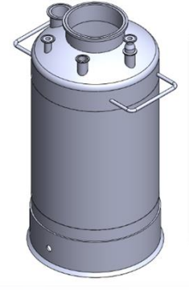
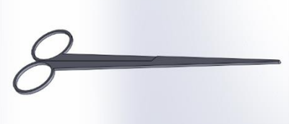
Created parametric 3D CAD models of components and assemblies. Using advanced CAD tools, the engineering team developed fully parametric 3D models that accurately represented the original designs. The parametric approach allowed future modifications to be implemented quickly and efficiently without recreating models from scratch.
Validation
Ensured dimensional accuracy and compliance with IEC 60601 for medical electrical equipment. Each component and assembly underwent rigorous verification to confirm dimensional integrity and alignment with design intent. Validation activities ensured that the converted models could be confidently used for future engineering and regulatory purposes.
Documentation
Generated detailed 3D drawings for manufacturing, prototyping, and quality inspections. Comprehensive manufacturing documentation was developed from the validated 3D models, enabling seamless integration into production, quality control, and procurement workflows.
The Outcome
By converting all 2D drawings into accurate 3D models, MN Engineering Solutions enabled the customer to modernize its engineering workflow and significantly improve product development efficiency. The newly developed parametric models provided a strong foundation for future design enhancements and regulatory compliance activities.
- Rapidly create prototypes, tooling, and molds. Digital models streamlined prototype development and accelerated manufacturing preparation activities, reducing lead times and associated costs.
- Perform comprehensive quality control inspections and functional testing. The availability of accurate 3D models improved inspection planning, dimensional verification, and product validation processes.
- Improve product safety, performance, and compliance with updated standards. Engineers could efficiently implement design modifications and validate performance requirements while ensuring compliance with evolving regulatory standards.
- Enhance marketability and customer satisfaction due to higher-quality designs. Improved product quality, faster development cycles, and enhanced manufacturing efficiency strengthened the company's competitive position and increased customer confidence.
Through this successful legacy data conversion initiative, MN Engineering Solutions transformed static 2D engineering documentation into intelligent parametric 3D models. The project not only supported regulatory compliance and design optimization but also established a scalable digital engineering framework that will continue to deliver value throughout the product lifecycle.